At Bob Ray Co., We understand the importance of maintaining a healthy, vibrant landscape. As a leading tree care company in the Louisville, KY area, we specialize in protecting your trees and shrubs from destructive pests like bagworms. These sneaky caterpillars can wreak havoc on your greenery, but with our professional expertise and proven methods, we’ll help you keep your landscape thriving. In this blog, we’ll explore what bagworms are, the damage they cause, and how our team at Bob Ray Co. can effectively treat and prevent infestations using eco-friendly and efficient techniques.
What Are Bagworms?
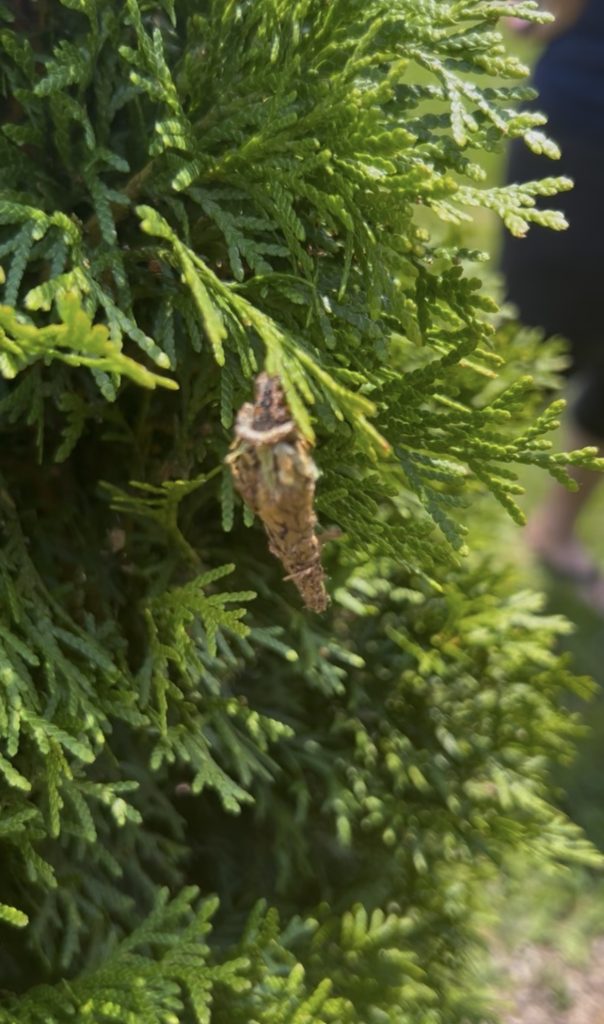
Bagworms (Thyridopteryx ephemeraeformis), often mistaken for pinecones or harmless cocoons, are actually the larvae of moths that pose a significant threat to trees and shrubs. These pests create protective, spindle-shaped bags from silk and plant material, camouflaging themselves as they feed on foliage. Commonly targeting evergreens like arborvitae, juniper, cedar, pine, and spruce, bagworms can also attack deciduous trees such as oak, maple, and willow. Left unchecked, a single bagworm infestation can defoliate and even kill a tree, particularly evergreens, by consuming up to 80% of its foliage.
The bagworm life cycle includes four stages: egg, larvae, pupal, and adult. Eggs overwinter in the female’s bag, hatching in late spring (May to early June) into tiny larvae that begin feeding and constructing their protective bags. By late summer, the larvae mature, pupate, and emerge as adult moths. Females remain wingless and stay in their bags, laying 300–1,000 eggs to continue the cycle.
The Damage Bagworms Cause
Bagworms are particularly destructive during their larval stage, when they feed voraciously on needles and leaves. On evergreens, this can lead to browning branch tips and eventual tree death if significant foliage is lost. Deciduous trees may suffer defoliation but are generally more resilient due to their annual leaf growth. Additionally, the silk threads bagworms use to secure their bags can strangle twigs, causing long-term damage.
If you notice small, brown, cone-like bags hanging from your trees or shrubs, or if your plants show signs of browning or thinning foliage, you may have a bagworm infestation. Early detection is critical, as bagworms are harder to control once their bags grow larger and tougher. At Bob Ray Co., our certified arborists are trained to spot these pests early and implement effective solutions to protect your landscape. How Bob Ray Co. Treats Bagworms at Bob Ray Co., we take a comprehensive, environmentally responsible approach to bagworm control and tree care. Our treatment methods are tailored to the infestation’s severity and the specific needs of your trees and shrubs.
Here’s how we tackle bagworms:
1. Early Detection and Manual Removal The key to effective bagworm control is catching them early, ideally in winter or early spring before eggs hatch. Our team conducts thorough inspections to identify bagworm bags, which are often mistaken for pinecones. For small infestations, we manually remove and destroy the bags by hand, ensuring they’re submerged in soapy water or disposed of properly to prevent re-infestation. This method is most effective before larvae hatch in late May or early June.
2. Targeted Insecticide Applications For larger infestations, our certified arborists use targeted insecticide treatments applied during the larvae’s active feeding stage (late spring to early summer). We use eco-friendly products like those containing Bacillus thuringiensis var. kurstaki (Bt), a natural bacterium that causes bagworms to stop feeding and die within days. For more severe cases, we may use pyrethroids like permethrin or bifenthrin, applied with precision to minimize impact on beneficial insects. Timing is critical, as insecticides are less effective once larvae seal their bags in late summer.
3. Soil Injection for Systemic Protection To provide long-term protection; we offer soil injection treatments that deliver systemic insecticides directly to the tree’s root system. This method ensures the tree absorbs the treatment, protecting it from the inside out without widespread spraying. This approach is ideal for preventing bagworm infestations and promoting overall tree health.
4. Biological Control We encourage natural predation by attracting birds, such as sparrows, which feed on bagworms. Our team can advise on creating bird-friendly habitats, like installing birdbaths or planting nectar-rich flowers, to naturally reduce bagworm populations. While not a standalone solution, this complements our other methods for sustainable pest control.
5. Preventative Plant Health Care Prevention is the best defense against bagworms. Our Plant Health Care program includes regular inspections, fertilization, and treatments to strengthen trees and shrubs, making them less susceptible to pests like bagworms, mites, and borers. By maintaining your landscape’s health year-round, we help prevent infestations before they start.
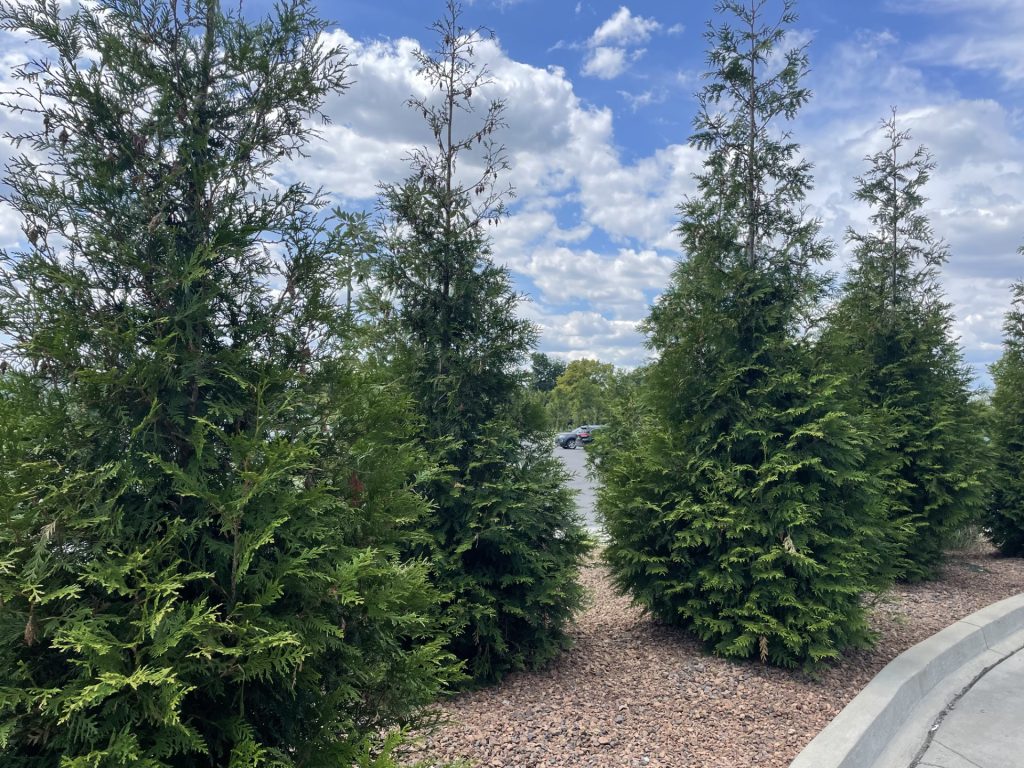
Recent Bagworm Success Story This summer, Bob Ray Co. successfully treated a severe bagworm infestation at a property on Glenmary Springs Drive. The client noticed browning arborvitae and junipers near their condo structures. Our team identified hundreds of bagworm bags and implemented a combination of manual removal and targeted insecticide sprays. We also provided fertilization to help the stressed trees recover. Within weeks, the landscape was restored to its vibrant, healthy state, and the client enrolled in our Plant Health Care program for ongoing protection.
Tips for Homeowners to Prevent Bagworms While professional intervention is often necessary for severe infestations, homeowners can take steps to prevent bagworms:
- Inspect Regularly: Check your trees and shrubs in winter and early spring for bagworm bags, especially on evergreens like arborvitae and juniper.
- Hand-Pick Bags: If you spot a small number of bags, remove them by hand and destroy them in soapy water or a sealed bag.
- Encourage Natural Predators: Install bird feeders or baths to attract birds that feed on bagworms.
- Schedule Professional Inspections: Contact Bob Ray Co. for a free consultation to assess your landscape’s health and catch issues early.
Why Choose Bob Ray Co. for Bagworm Control? With over [insert years of experience, e.g., 30 years] of experience in tree care and pest control in Louisville, KY, Bob Ray Co. is your trusted partner for protecting your landscape. Our certified arborists use cutting-edge techniques and eco-friendly solutions to ensure your trees and shrubs remain healthy and beautiful. Whether you need bagworm treatment, tree pruning, or stump grinding, we’re committed to delivering exceptional results. Our Services Include:
- Tree Removal: Safe and efficient removal of hazardous trees, like the six Cottonwood trees we recently removed using a backyard bucket and advanced rigging techniques.
- Tree Pruning: Precision pruning to enhance tree health and aesthetics, including crown-raising and clearance pruning.
- Plant Health Care: Comprehensive programs to prevent and treat pests and diseases.
- Stump Grinding: Professional stump removal to restore your landscape.
Call to Action Don’t let bagworms destroy your beautiful trees and shrubs! Contact Bob Ray Co. today for a free consultation and let our certified arborists create a customized plan to protect your landscape. Call us at (502) 123-4567 or visit our website to schedule an inspection. Keep your Louisville property pest-free and thriving with Bob Ray Co.!