At Bob Ray Company, we’ve spent years nurturing urban landscapes and observing how nature interacts with city environments. One of the most pressing challenges we’ve seen in recent times is the increasing frequency of flooding due to climate change and urban development. As of April 1, 2025, this issue is more relevant than ever, with heavy rains and overwhelmed drainage systems putting urban trees under significant stress. Today, we’re diving into how flooding waters affect trees in urban settings and what we can do to help them thrive despite these challenges.
The Urban Challenge: Why Flooding Hits Trees Harder in Cities
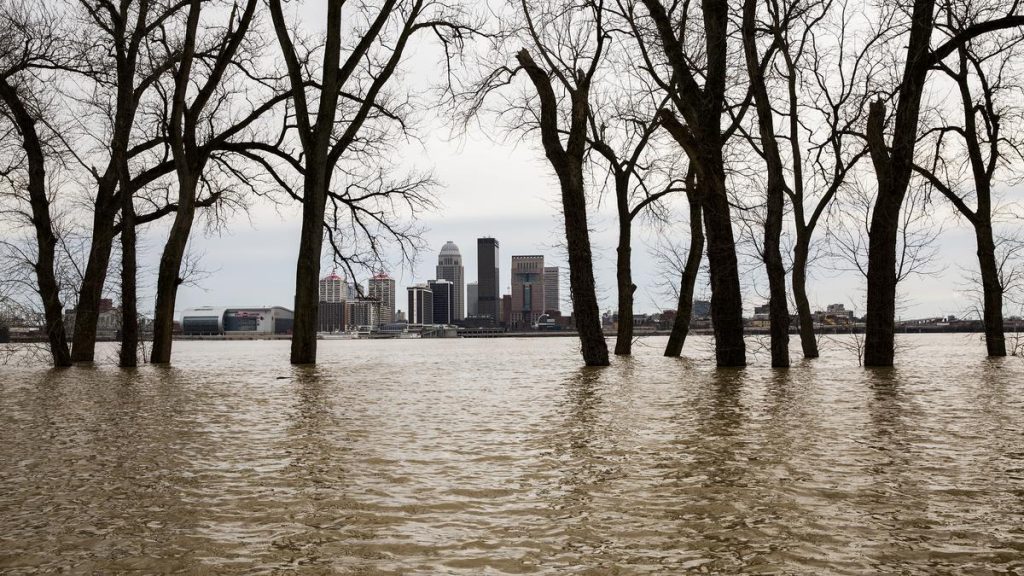
Urban areas are uniquely vulnerable to flooding. The abundance of impervious surfaces—like concrete sidewalks, asphalt roads, and rooftops—prevents water from soaking into the ground naturally. Instead, rainfall rushes across these surfaces, overwhelming stormwater systems and pooling in low-lying areas where trees often stand. Unlike their rural counterparts, urban trees are confined to small soil patches, surrounded by pavement, and often lack the natural drainage that forests provide. When flooding strikes, these trees face a double whammy: too much water and too little oxygen.
How Flooding Waters Affect Urban Trees
- Oxygen Deprivation: Tree roots need oxygen to survive, just like we do. When floodwaters linger, they fill the soil’s air pockets, suffocating roots. In urban settings, where soil is often compacted or limited, this effect is amplified. Most trees can tolerate a few days of waterlogging, but prolonged flooding—say, a week or more—can cause serious damage, especially during the growing season when roots are most active.
- Physical Damage: Fast-moving floodwaters can carry debris that slams into tree trunks, stripping bark or wounding vascular tissues. In cities, this is a bigger risk because construction materials, trash, and other urban debris get swept along. Exposed roots from eroded soil also leave trees unstable, increasing the chance they’ll topple in future storms.
- Chemical Stress: Urban floodwaters often pick up pollutants—think oil from roads, fertilizers from lawns, or salt from de-icing treatments. These contaminants soak into the soil and can harm roots or alter soil chemistry, making it harder for trees to recover. For example, salt water, increasingly common in coastal cities, can be particularly toxic to species not adapted to it.
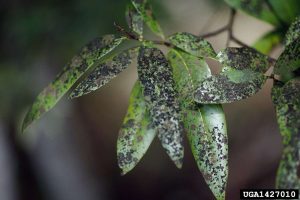
- Long-Term Decline: Even if a tree survives the immediate flood, the stress can linger. You might notice yellowing leaves, stunted growth, or branch dieback months later. Flood-stressed trees also become more vulnerable to pests and diseases, like stem-boring insects, which exploit weakened defenses.
Species Spotlight: Who Thrives, Who Struggles?
Not all trees respond to flooding the same way. At Bob Ray Company, we’ve seen flood-tolerant species like willows, red maples, and bald cypress hold up well in soggy urban conditions. Their roots are built to handle wet soils, and some even thrive on it. On the flip side, trees like oaks, pines, and fruit trees—common in city parks and yards—often struggle. Their intolerance to waterlogging makes them prime candidates for decline after a flood.
The Urban Context: Management Matters
How we manage urban trees plays a huge role in their flood resilience. Poorly designed planting sites—think tiny tree pits surrounded by asphalt—trap water and limit root access to air. Over-pruning or soil compaction from foot traffic can weaken trees before flooding even hits. On the positive side, strategic urban planning can turn trees into flood-fighting allies. Their canopies intercept rain, slowing its descent, while extensive root systems boost soil infiltration, reducing runoff.
What Bob Ray Company Is Doing About It
At Bob Ray Company, we’re committed to helping urban trees weather the storm—literally. Here’s how we approach the challenge:
- Site Assessment: After a flood, we check trees for damage—exposed roots, bark wounds, or signs of stress—and evaluate soil drainage. This helps us prioritize care.
- Soil Solutions: We aerate compacted soil or add organic matter to improve drainage and oxygen flow, giving roots a fighting chance.
- Species Selection: For new plantings, we recommend flood-tolerant species suited to local conditions, ensuring long-term resilience.
- Green Infrastructure: We advocate for tree-friendly designs like rain gardens or permeable paving, which ease flooding pressure on urban landscapes.
Looking Ahead: A Call to Action
Flooding isn’t going away—climate models predict more intense storms and rising sea levels in the years ahead. As urban stewards, we at Bob Ray Company believe it’s our job to adapt. Planting the right trees in the right places, improving soil health, and rethinking how cities handle water can make a big difference. If you’ve got trees in your urban space, keep an eye on them after heavy rains. Signs of trouble—like wilting leaves or soggy soil that won’t drain—mean it’s time to call in pros like us.
Together, we can keep our urban forests standing tall, even when the waters rise. Got questions about your trees or flooding? Reach out to Bob Ray Company—we’re here to help.