Tree limb failure is a natural phenomenon that can pose significant risks to people, property, and infrastructure. As a leading tree care company in Louisville, Kentucky, with over 65 years of experience, Bob Ray Co., Inc. has extensive expertise in diagnosing and preventing limb failure. Understanding why tree limbs fail is crucial for homeowners, property managers, and arborists to ensure safety and maintain healthy trees. In this blog, we’ll explore the primary causes of limb failure, drawing on insights from Bob Ray Co.’s certified arborists, and provide practical tips to mitigate risks.
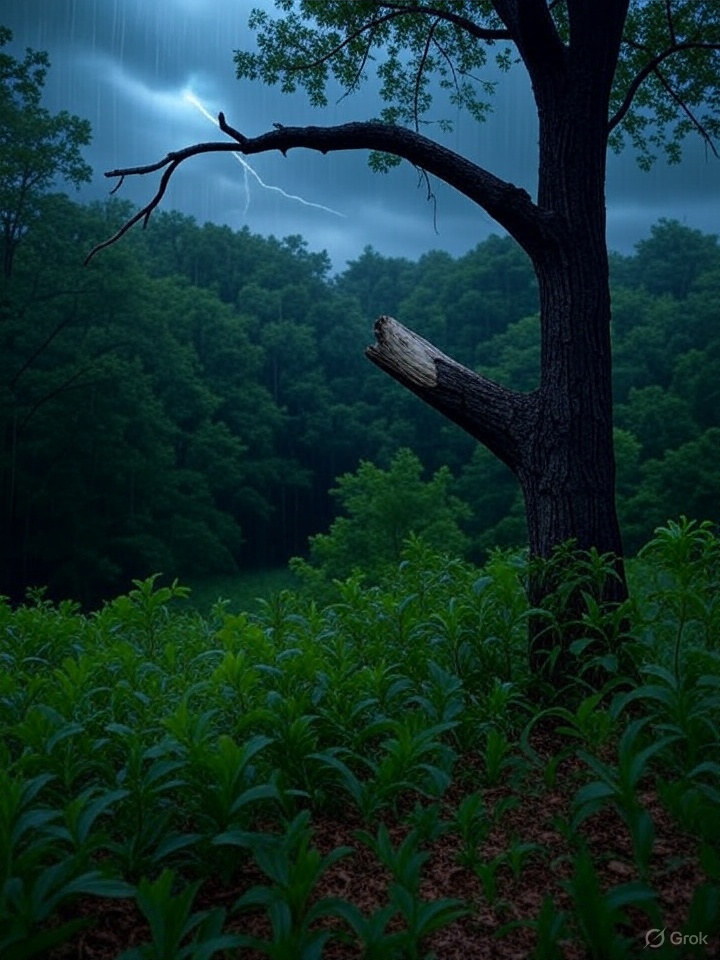
Tree limbs fail due to a combination of environmental, structural, and biological factors. Below are the most common reasons, informed by Bob Ray Co.’s field experience and industry knowledge:
What Causes Tree Limbs to Fail?
Storm and Weather-Related Stress High winds, heavy rain, ice, and snow are major culprits in limb failure. According to Bob Ray Co., “High winds and saturated soil typical of winter storms can cause tree roots to fail and branches to weaken”. During ice storms, the weight of accumulated ice can double or triple the load on branches, causing them to bend, crack, or break. For example:
- Wind Damage: Strong gusts can tear limbs free, especially if they’re already weakened or have poor branch unions.
- Ice and Snow Loads: The added weight from ice or snow can exceed a limb’s structural capacity, leading to failure. Bob Ray Co. notes that trees with brittle wood or dense canopies are particularly vulnerable.
- Cleansing Storms: Storms often remove dead, damaged, or diseased limbs, which arborists refer to as “cleansing storms”. While this can be a natural process, it poses risks when limbs fall near structures or people.
- Structural Weaknesses Trees with structural flaws are more prone to limb failure. Bob Ray Co.’s certified arborists identify several common issues:
- Weak Branch Unions: Limbs with narrow attachment angles or included bark (bark trapped between the branch and trunk) are inherently weak and prone to splitting.
- Cracks or Splits: Cracks along major stems or splits in branch unions can compromise a limb’s stability.
- Heavy Horizontal Limbs: Overextended or heavy limbs, especially those bearing excessive foliage or fruit, are more likely to fail under stress.
- Dead or Dying Limbs: Deadwood is brittle and lacks the flexibility to withstand wind or weight, making it a common failure point.
- Biological Factors Disease, decay, and pest infestations weaken tree limbs, reducing their ability to support weight or resist environmental stress. Bob Ray Co. emphasizes the importance of regular inspections to detect:
- Decay and Cavities: Internal decay or cavities in limbs or trunks can significantly weaken structural integrity. For example, basal or crown rot can destabilize entire branches.
- Pest Damage: Insects like the emerald ash borer can compromise a tree’s health, making limbs more susceptible to failure.
- Root Decay: Mushrooms or foundational damage around roots indicate root decay, which can destabilize the tree and lead to limb or whole-tree failure.
- Human and Environmental Impacts Human activities and environmental changes can exacerbate limb failure:
- Compacted Soil and Root Damage: Heavily used areas with compacted soil or injured roots reduce a tree’s stability, increasing the likelihood of limb failure. Construction or landscaping near trees can also damage root systems.
- Improper Pruning: Over-pruning or incorrect cuts can stress trees, weaken limbs, and promote disease. Bob Ray Co. stresses the importance of professional pruning to maintain structural integrity.
- Urban vs. Rural Settings: Trees in urban areas face higher risks due to proximity to people and structures, requiring more diligent inspections.
- Species-Specific Vulnerabilities Some tree species are more prone to limb failure due to their wood properties or growth habits. Bob Ray Co. advises that trees like birches and willows, with weaker or brittle wood, are more susceptible to ice and wind damage compared to resilient species like oaks, maples, or hickories. Planting native or storm-resistant species can reduce failure risks.
The Consequences of Limb Failure

When tree limbs fail, the consequences can be severe:
- Property Damage: Falling limbs can damage roofs, vehicles, fences, or power lines, leading to costly repairs.
- Personal Injury: Broken limbs or falling trees can cause serious injury or even fatalities, especially in high-traffic areas.
- Power Outages: Limbs falling on power lines can disrupt electricity, as seen during major storms.
- Legal Liability: Property owners may face lawsuits if a failed limb causes harm, particularly if negligence (e.g., failure to inspect) is proven.
How Bob Ray Co. Prevents Limb Failure
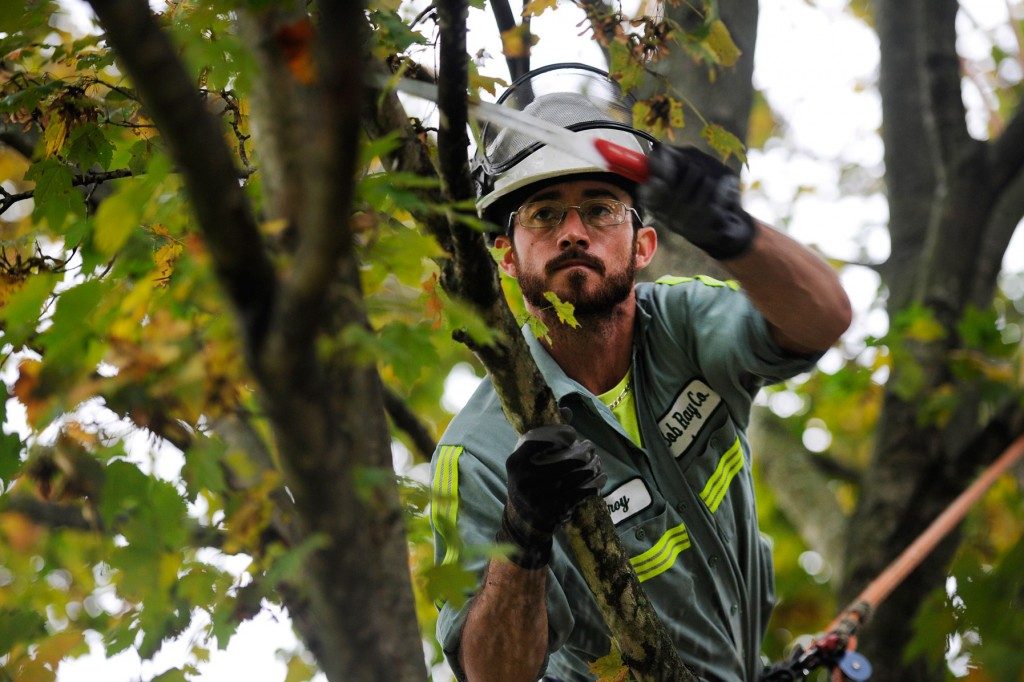
Bob Ray Co., Inc. employs certified arborists and advanced techniques to mitigate limb failure risks. Here’s how they help:
- Professional Inspections: Their ISA-certified arborists conduct thorough assessments to identify weak spots, such as cracks, decay, or poor branch unions. They look for signs like hanging limbs, mushrooms, or leaf abnormalities.
- Strategic Pruning: Regular pruning removes dead, diseased, or overhanging branches and reduces crown density to lessen wind and ice loads. Bob Ray Co. emphasizes proper thinning cuts, especially for fruit trees, to maintain structural health.
- Cabling and Bracing: For trees with structural weaknesses, Bob Ray Co. installs cables or braces to support vulnerable limbs, preventing splits under heavy loads.
- Plant Health Care: Their programs include fertilization, pest control (e.g., emerald ash borer treatments), and soil management to strengthen trees and roots, making them more resilient to stress.
- Storm Preparation and Recovery: Before storms, Bob Ray Co. stabilizes trees through cabling or tying down. Post-storm, they recommend fertilization to aid recovery and assess damaged trees for safe removal or stabilization.
- Tree Removal: For structurally unsound trees, Bob Ray Co. uses high-tech equipment and trained crews to safely remove hazardous limbs or entire trees, minimizing impact on the property.
Practical Tips for Homeowners
Bob Ray Co. offers the following advice to help prevent limb failure:
- Schedule Regular Inspections: Hire a certified arborist to assess your trees annually, especially before storm seasons.
- Prune Proactively: Remove dead or weak limbs, particularly before winter, to reduce ice and snow loads.
- Plant Wisely: Choose storm-resistant, native species and avoid planting near structures or power lines.
- Monitor Tree Health: Look for signs of trouble, such as cracks, mushrooms, or abnormal leaves, and contact Bob Ray Co. for a professional evaluation.
- Avoid DIY Trimming: Improper cuts or unsafe practices (e.g., using chainsaws on ladders) can lead to injury or further tree damage. Always hire professionals.
- Be Patient Post-Storm: Wait for ice or snow to melt before assessing damage, as trees are resilient and may recover. For significant damage, call Bob Ray Co. for safe cleanup.
Why Choose Bob Ray Co., Inc.?
Since 1960, Bob Ray Co. has been a trusted name in Louisville for tree care, with an A+ BBB rating and TCIA accreditation. Their team of certified arborists, equipped with specialized tools like bucket trucks and chippers, ensures safe and professional service. They also prioritize environmental responsibility through their subsidiary, Natural Products LLC, which recycles tree debris into mulch and compost. Customer reviews highlight their professionalism, thorough cleanup, and expertise, making them a top choice for preventing and addressing limb failure.