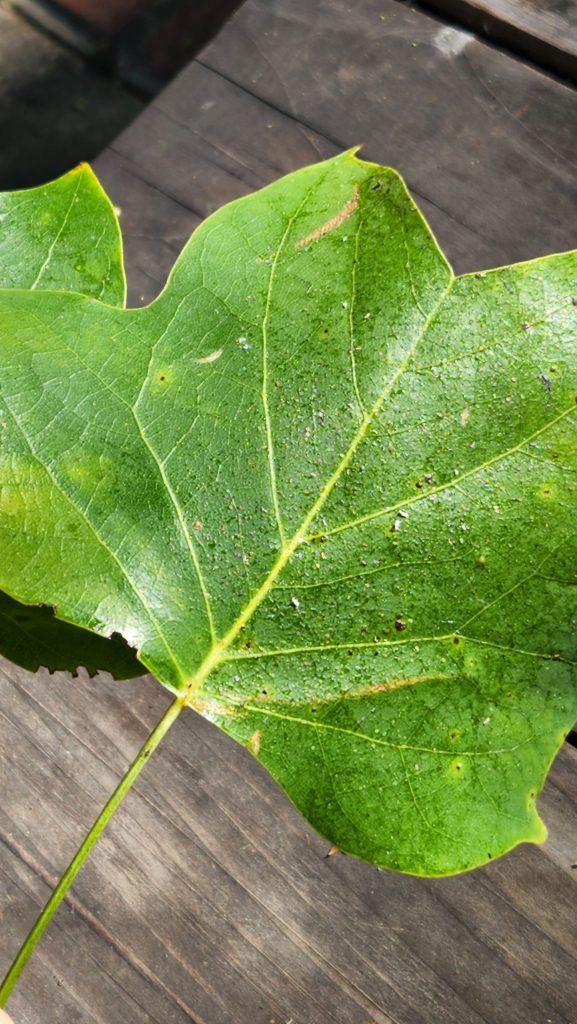
Aphids are tiny, sap-sucking pests that can wreak havoc on your trees and shrubs, causing curled leaves, stunted growth, and unsightly honeydew buildup that land on targets below the tree. These persistent insects feed on plant sap, weakening trees and making them more susceptible to disease and environmental stress. Fortunately, Bob Ray Company, Inc., a trusted name in Louisville, Kentucky, with over 65 years of tree care experience, offers comprehensive Plant Health Care (PHC) programs designed to tackle aphid infestations and promote long-term tree vitality. In this blog, we’ll explore the impact of aphids on trees and how Bob Ray Company’s expert solutions can keep your landscape thriving.
Understanding Aphids and Their Impact
Aphids are small, soft-bodied insects that attack a wide range of plants, including shade trees, ornamentals, and shrubs. They use their straw-like mouthparts to pierce plant tissue and extract sap, which deprives trees of essential nutrients. Common signs of aphid infestation include:
- Leaf Damage: Curled, yellowed, or discolored leaves, often with a sticky residue (honeydew).
- Sooty Mold: A black, powdery fungus that grows on honeydew, staining surfaces and reducing photosynthesis.
- Stunted Growth: Weakened trees may exhibit reduced growth or premature leaf drop.
- Attracting Other Pests: Honeydew attracts ants, wasps, and other insects, compounding the problem.
Aphids reproduce rapidly, especially in warm weather, making early detection and treatment critical. Left unchecked, they can stress trees, making them vulnerable to secondary issues like fungal infections or scale infestations.
Bob Ray Company’s Approach to Aphid Control
Bob Ray Company, Inc., a TCIA-accredited tree care provider with ISA-Certified Arborists on staff, offers tailored Plant Health Care programs to address aphid infestations and enhance tree health. Their proactive, science-based approach focuses on prevention, early intervention, and sustainable treatments. Here’s how their PHC programs can help:
1. Expert Diagnosis by Certified Arborists
Bob Ray Company’s ISA-Certified Arborists on staff are trained to identify aphid infestations and assess tree health comprehensively. By inspecting your trees for signs of aphids—such as sticky leaves or sooty mold—they can determine the extent of the problem and recommend targeted solutions. For example, their arborists have successfully diagnosed and treated aphid issues on trees like river birch, ensuring no additional costs for treating multiple plants during a single visit.
2. Integrated Pest Management (IPM)
Bob Ray Company employs Integrated Pest Management (IPM), a sustainable approach that minimizes chemical use while maximizing effectiveness. For aphid control, this may include:
- Natural Predators: Introducing beneficial insects like ladybugs or lacewings, which feed on aphids, to reduce populations naturally.
- Targeted Treatments: Applying environmentally friendly products like horticultural oils or insecticidal soaps to control aphids without harming beneficial insects or the surrounding ecosystem.
- Timing Precision: Using degree-day monitoring to time treatments for maximum impact, ensuring aphids are targeted at their most vulnerable life stages.
This approach not only addresses current infestations but also prevents future outbreaks, keeping your trees healthier in the long term.
3. Preventative Care and Tree Vitality
Bob Ray Company’s PHC programs emphasize preventative care to strengthen trees against pests like aphids. Healthy trees with robust natural defenses are less susceptible to infestations. Their services include:
- Fertilization: Providing essential nutrients to boost tree vigor and resilience.
- Soil Injections: Delivering treatments directly to the root zone to enhance nutrient uptake and protect against pests.
- Pruning and Maintenance: Removing stressed or damaged branches to improve air circulation and reduce aphid-friendly environments.
By maintaining optimal tree health, Bob Ray Company helps your landscape resist aphid attacks and recover more quickly from infestations.
4. Customized Treatment Plans
Every property is unique, and Bob Ray Company tailors its PHC programs to your specific needs. Their arborists conduct thorough property assessments to identify aphid-prone species (like tulip trees or crepe myrtles) and develop customized treatment schedules. For instance, soil applications of systemic insecticides, such as imidacloprid or dinotefuran, can be applied in late winter to protect trees from spring aphid surges. These treatments take weeks to translocate through the tree, ensuring long-lasting protection when aphids emerge.
5. Eco-Friendly and Sustainable Practices
Bob Ray Company is committed to environmental stewardship. They avoid overusing heavy nitrogen fertilizers, which can attract aphids by promoting lush, tender growth.
Why Choose Bob Ray Company?
With over 65 years of experience and a team of certified arborists, Bob Ray Company stands out as Louisville’s premier tree care provider. Their commitment to quality is evident in customer reviews praising their professionalism, expertise, and thorough cleanup after jobs. Whether you’re dealing with aphids on a single tree or managing a large landscape, Bob Ray Company offers:
- Proven Expertise: Four generations of tree care knowledge and ISA certifications on staff ensure top-tier service.
- Comprehensive Services: From aphid control to tree pruning, fertilization, and storm damage cleanup, they handle all aspects of tree health.
- Customer Satisfaction: Positive reviews highlight their reliability, reasonable pricing, and dedication to customer education.
Tips for Homeowners to Support Aphid Control
While Bob Ray Company’s PHC programs provide professional solutions, homeowners can take steps to complement their efforts:
- Monitor Your Trees: Check for sticky leaves, curled foliage, or sooty mold, and report signs of aphids to Bob Ray Company promptly.
- Avoid Over-Fertilization: High-nitrogen fertilizers can attract aphids, so use balanced fertilizers as recommended by arborists.
- Encourage Natural Predators: Plant native flowers to attract ladybugs and lacewings, which naturally control aphid populations.
- Water Wisely: Ensure proper irrigation to reduce tree stress, as stressed trees are more vulnerable to aphids.
Conclusion
Aphids may be small, but their impact on your trees can be significant. Bob Ray Company’s Plant Health Care programs offer a proactive, science-based solution to protect your trees from aphids and other pests. With expert diagnosis, sustainable treatments, and customized care plans, their ISA-Certified Arborists ensure your landscape remains healthy and vibrant. Don’t let aphids compromise your trees—contact Bob Ray Company, Inc., today for a free estimate and discover how their PHC programs can safeguard your growing investments.
For more information or to schedule a consultation, visit Bob Ray Co.’s website or call their Louisville office 502-425-7654. Let Bob Ray Company help you keep your trees thriving and aphid-free!