The spotted lanternfly (SLF), an invasive pest originally from Asia, has been making headlines across the United States for its destructive impact on trees, crops, and landscapes. If you’re a homeowner in Louisville searching for “spotted lanternfly treatment Louisville” or “spotted lanternfly Kentucky,” you’re not alone. This pest is spreading rapidly, and Kentucky is now on the front lines.

In this blog, we’ll dive into what the spotted lanternfly is, how it’s arriving in Kentucky, the risks it poses, and proven spotted lanternfly treatments to protect your property. As local experts in tree care and plant health, companies like Bob Ray Company in Louisville are stepping up to help residents combat this threat.
What is Spotted Lanternfly and Why Should Louisville Homeowners Care?
The spotted lanternfly is a colorful but harmful insect that feeds on the sap of over 70 plant species, including fruit trees, grapes, hardwoods, and ornamentals. It excretes a sticky substance called honeydew, which promotes sooty mold growth and attracts other pests like ants and wasps. While it doesn’t bite humans or pets, SLF can devastate agriculture, forestry, and backyard gardens, leading to weakened plants and potential tree death. First detected in the U.S. in Pennsylvania in 2014, the pest has since spread to multiple states. Its ability to hitchhike on vehicles, firewood, and outdoor gear makes it a sneaky invader. For Kentucky residents, especially in the Louisville area, this means increased vigilance—SLF could show up in your yard via transported goods or natural migration from neighboring states like Ohio and Indiana.
The Spotted Lanternfly’s Arrival in Kentucky:
What’s the Latest in 2025?
Kentucky’s encounter with the spotted lanternfly began in October 2023, with the first confirmed sighting in Gallatin County. By late 2024, it had spread to additional counties including Owen, Grant, Henry, Campbell, and Carroll. As of 2025, detections continue, with recent confirmations in Trimble County highlighting the pest’s ongoing expansion. Experts warn that SLF poses a significant risk to Kentucky’s timber resources, fruit trees, and grapevines, which are vital to the state’s economy and landscapes. In Louisville and surrounding Jefferson County, while not yet widespread, the proximity to affected areas means it’s only a matter of time. The insect’s spread is accelerated by human activity—think shipping containers, RVs, or even holiday decorations brought from infested regions. If you’re noticing unusual insects on your trees, it could be an early sign. The University of Kentucky’s Entomology Department urges residents to report sightings to help track and contain the invasion.
Identifying Spotted Lanternfly in your Louisville yard early detection is key to effective spotted lanternfly control. Here’s how to spot them:
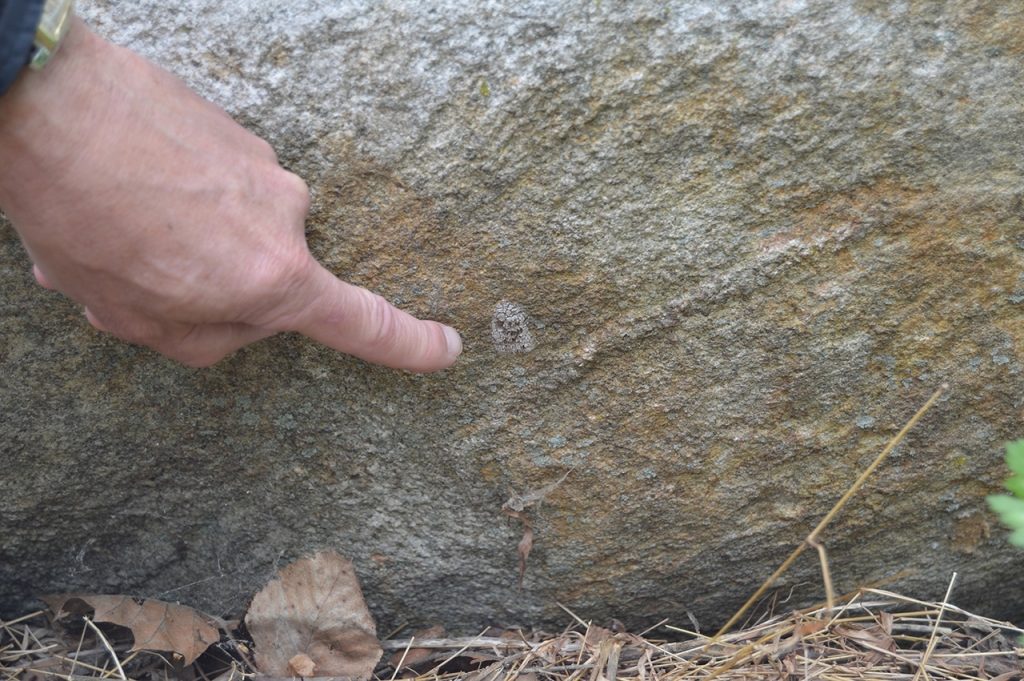
- Egg Masses: Gray, mud-like coverings on flat surfaces like tree bark, stones, or outdoor furniture. They hatch in spring.
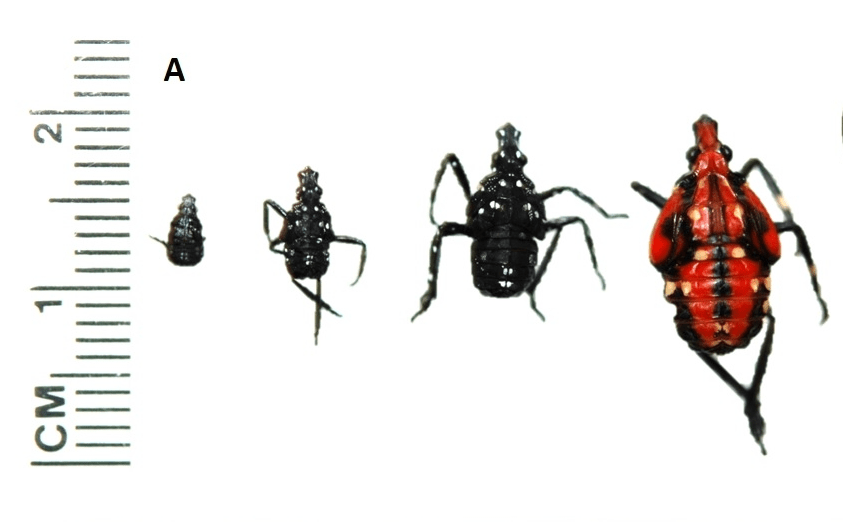
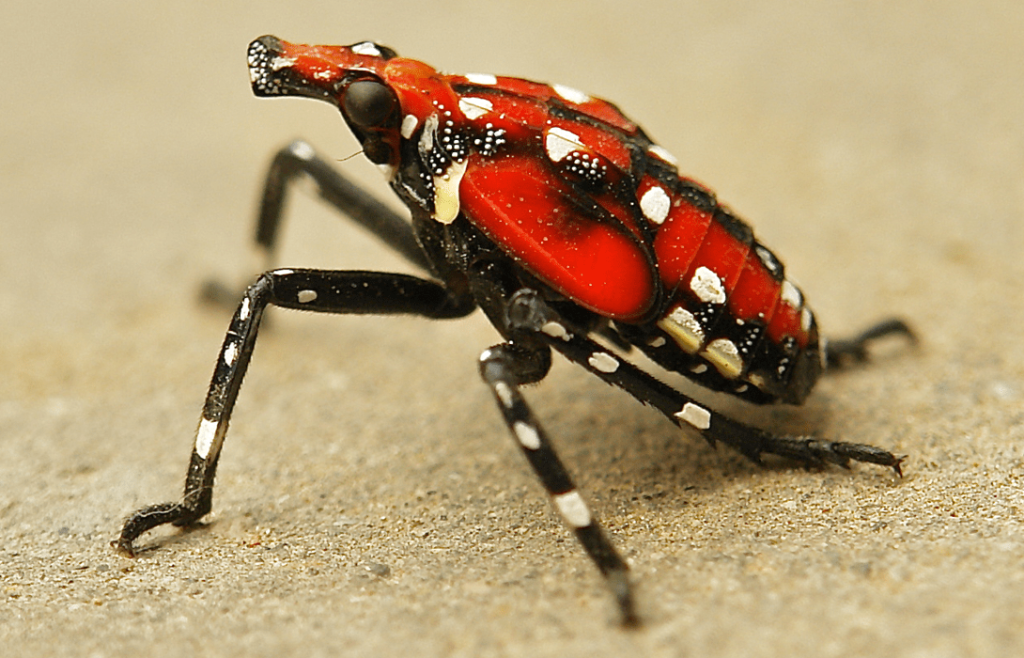
- Nymphs: Black with white spots in early stages, turning red with black and white spots as they mature.
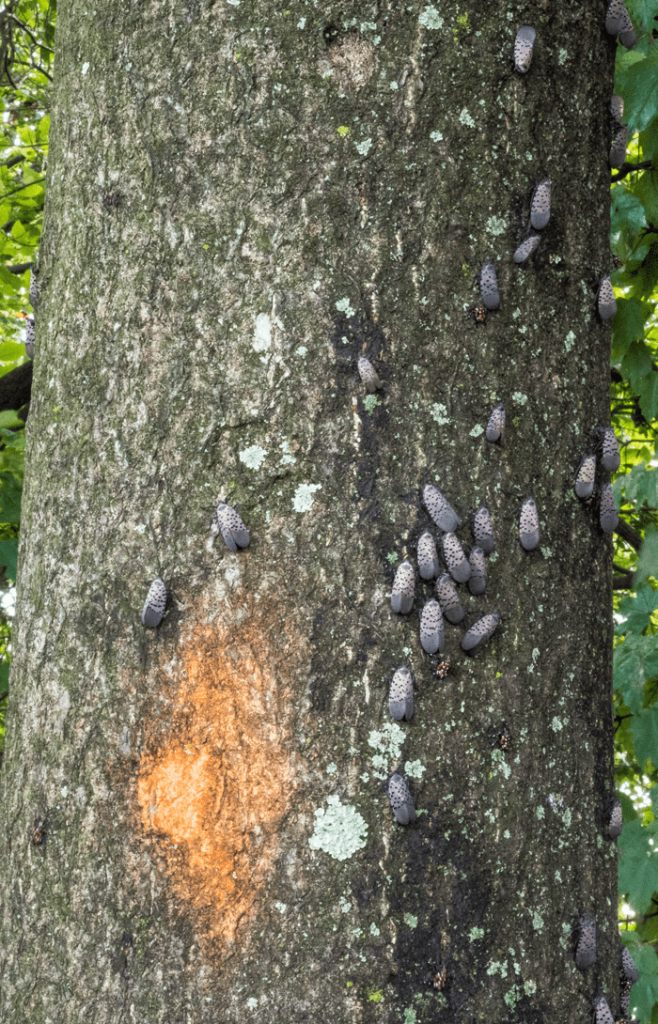
- Adults: About 1 inch long with gray wings spotted black; when open, they reveal bright red hindwings. Active from July to December.
- Signs of Infestation: Sticky honeydew on plants, sooty mold, wilting leaves, or swarms on tree trunks.
If you suspect SLF on your property in Louisville, scrape off egg masses and crush nymphs or adults. Reporting to the Kentucky Department of Agriculture or USDA can help prevent further spread.
Effective Spotted Lanternfly Treatments:
DIY and Professional Options When it comes to “spotted lanternfly treatment Louisville,” you have several options ranging from home remedies to professional interventions. The goal is to target all life stages while minimizing harm to beneficial insects and the environment DIY Treatments for Small Infestations
- Mechanical Removal: Squish adults and nymphs by hand or use a vacuum. Sticky tape traps around tree trunks can capture crawling nymphs—check them regularly to avoid trapping wildlife.
- Homemade Sprays: Mix dish soap with water (or add vinegar and rubbing alcohol) for a contact killer. Insecticidal soaps and neem oil work well when applied directly to the pests. These are eco-friendly and effective for spot treatments.
Tree Banding: Use sticky bands or tape on trees to trap SLF as they climb.
Always follow label instructions and avoid broad-spectrum pesticides that could harm pollinators. Professional Spotted Lanternfly Control in Louisville for larger infestations or valuable trees, professional help is essential. Systemic insecticides, like those injected into trees or applied as soil drenches, provide longer-lasting protection by making the plant toxic to feeding SLF. Bark sprays and trunk treatments are also effective. This is where local experts shine. Bob Ray Company, a family-owned tree service in Louisville with over 65 years of experience, specializes in plant health care and pest management. As a TCIA-accredited company, they offer certified arborist services, including targeted treatments for invasive pests like the spotted lanternfly. Whether it’s tree injections, safe insecticide applications, or full tree care to strengthen your landscape against SLF damage, Bob Ray Company can tailor a plan for your Louisville property. Their team understands Kentucky’s unique environment and can help prevent the spread while protecting your trees and yard.
Prevention Tips to Keep Spotted Lanternfly Out of Your Kentucky Home
Prevention is the best spotted lanternfly treatment. Here’s how Louisville residents can stay ahead:
- Inspect vehicles, outdoor gear, and plants before bringing them home.
- Remove Tree of Heaven (Ailanthus altissima), SLF’s favorite host plant.
- Quarantine new plants for 30 days to check for eggs.
- Support local agriculture by buying Kentucky-grown produce to reduce hitchhiking risks.
Ready to Protect Your Property?
Contact Bob Ray Company Today. The spotted lanternfly’s advance into Kentucky is a call to action for all of us in Louisville. Don’t wait for an infestation—proactive spotted lanternfly treatments can save your trees and landscape. If you’re dealing with or worried about SLF, reach out to Bob Ray Company at (502) 425-7654 or visit their website for a consultation www.BobRayCo.com. With their expertise in tree service and plant health care, they’re your go-to partner for invasive pest control in Louisville. Stay informed, stay vigilant, and let’s keep Kentucky’s green spaces thriving!
If you have questions or experiences with spotted lanternfly in Kentucky, share them in the comments below.