Arborists, often referred to as tree surgeons or tree care workers, operate in environments where safety is paramount. Climbing high into the canopy, wielding heavy equipment, and working with nature’s unpredictable elements mean that every step towards safety can be the difference between a day’s work and a day’s disaster. Here’s why a pre-safety meeting is not just beneficial but essential for us at Bob Ray Company.
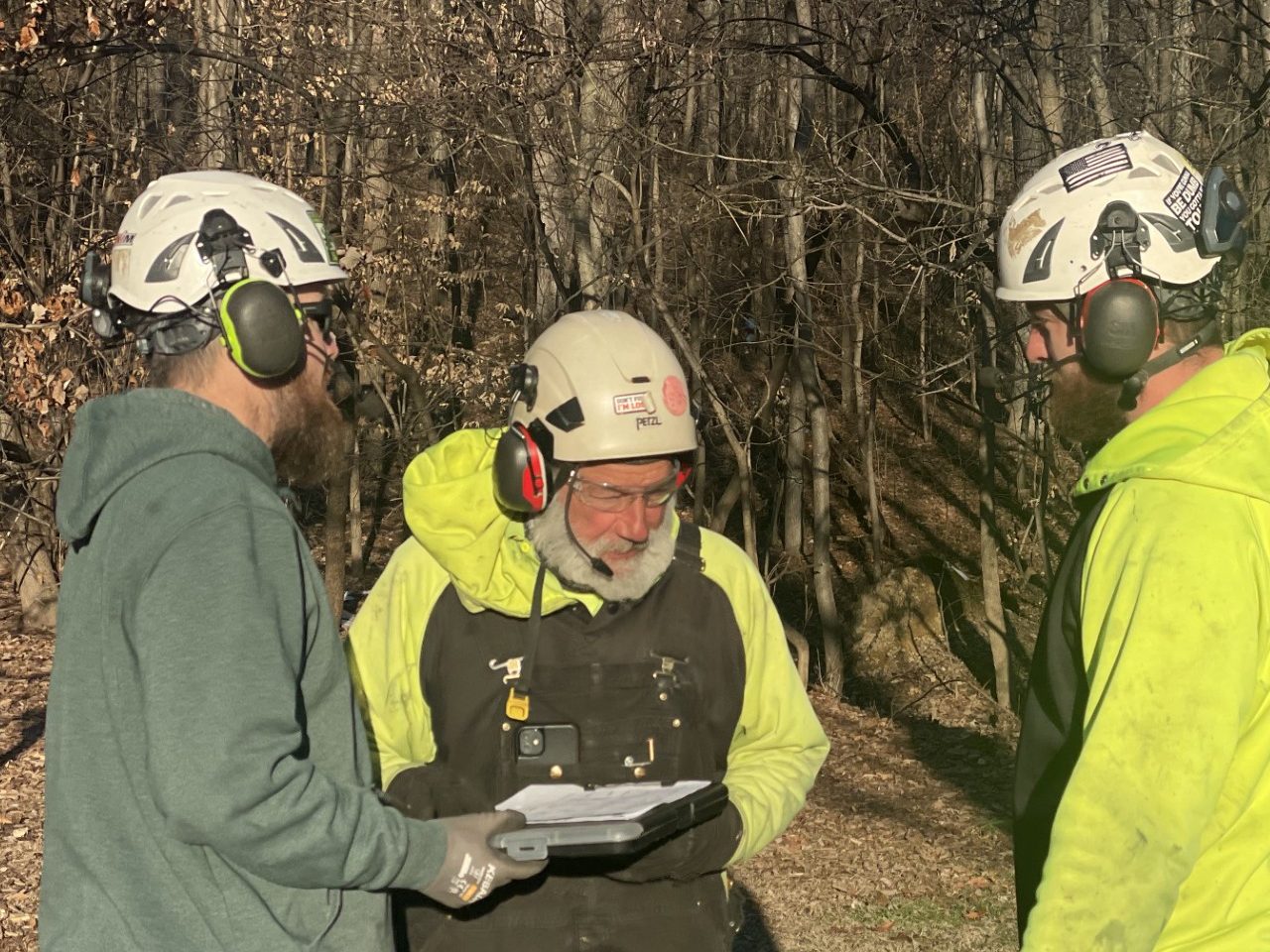
Understanding the Risks
Arborist safety at Bob Ray Company starts with acknowledging the inherent dangers of the job:
Height: Working at significant heights increases the risk of falls, which can lead to severe injuries or worse.
Equipment: Chainsaws, chippers, and climbing gear all pose risks if not handled correctly.
Environmental Factors: Weather, tree health, and wildlife can all impact the safety of the job site.

The Role of a Pre-Safety Meeting at Bob Ray Company
A pre-safety meeting sets the stage for a safe workday. Here’s how:
1. Risk Assessment
Site Evaluation: Every job site is unique. A pre-safety meeting allows for a thorough evaluation of the tree’s condition, the work area, and potential hazards.
Job-Specific Hazards: Identifying specific risks for the day’s tasks, such as dead branches, electrical wires, or unstable ground.
2. Plan of Action
Work Plan: Discuss the sequence of operations, from cutting techniques to limb removal, ensuring everyone understands their role.
Emergency Procedures: Outline what to do in case of an accident, including escape routes, first aid locations, and emergency contact information.
3. Equipment Check
Gear Inspection: Verify that all personal protective equipment (PPE) like helmets, harnesses, and gloves are in good condition.
Tool Safety: Ensure chainsaws are sharp, properly maintained, and that all team members know how to use them safely.
4. Communication
Clear Signals: Establish clear communication methods for when our team members are out of sight or high in trees.
Team Coordination: Ensure everyone understands the chain of command and how to communicate any safety concerns during the job.
5. Training and Awareness
Refresher Training: Quick reviews of safety protocols, especially if new techniques or equipment are being introduced.
Safety Culture: Foster an environment where safety is everyone’s responsibility, encouraging open dialogue about safety concerns.
Benefits of Pre-Safety Meetings
Accident Prevention: Addressing potential hazards before work begins can significantly reduce the likelihood of accidents.
Efficiency: A well-prepared team works more efficiently, knowing exactly what to expect and how to proceed safely.
Compliance: Adhering to safety standards and regulations, which can also protect the company from legal issues.
Morale: Knowing that safety is prioritized can boost team morale, leading to better job satisfaction and performance.
Best Practices for Conducting a Pre-Safety Meeting
Consistency: Hold these meetings at the start of every job, no matter how routine it might seem.
Documentation: Keep records of what was discussed, including hazards identified and the plan to mitigate them.
Inclusivity: Involve all team members, from the most experienced to the newest recruit, in the conversation.
Time: Allocate enough time for a thorough discussion, not just a quick checklist review.
Conclusion
For arborists, where the work environment is as dynamic as the trees they tend, a pre-safety meeting is more than a formality; it’s a critical safety net. At Bob Ray Company, we understand that our team’s safety is the foundation of our work. By starting each day with a focus on safety, we ensure that our certified arborists can perform their essential tasks, protecting both themselves and the urban forest they work to maintain.
Remember, in the world of arboriculture, safety isn’t just a meeting; it’s a mindset. For those in the arborist community, make safety your priority, and let’s continue to grow our industry with care, respect, and safety at the forefront.