Need a certified Arborist to come out and view your Boxwoods for free?
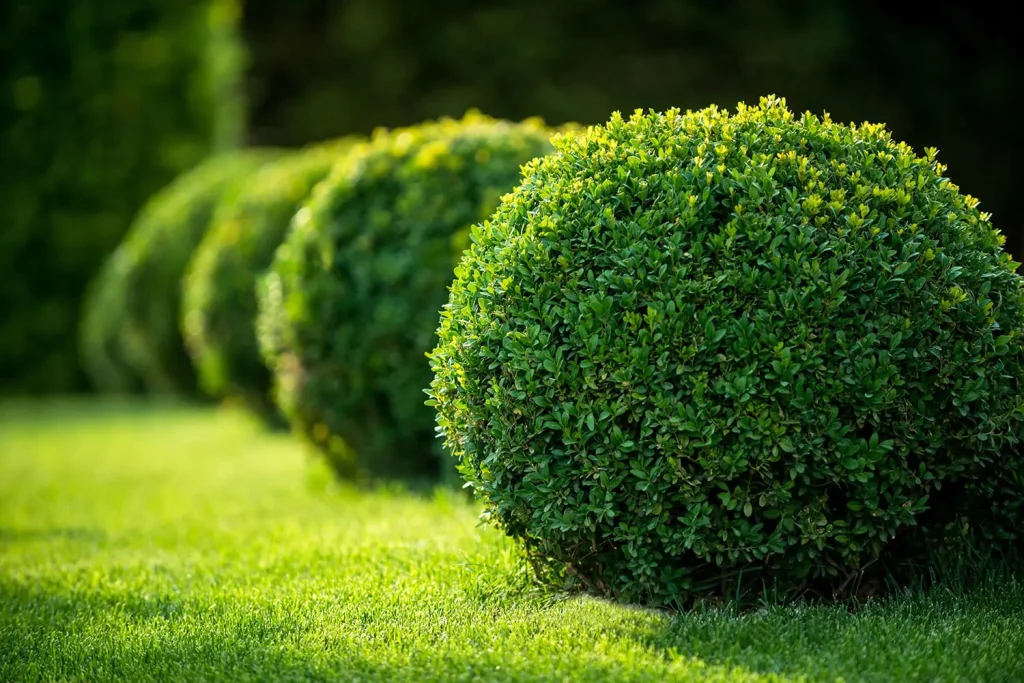
Boxwood shrubs (Buxus spp.) are a timeless favorite in Kentucky landscapes, prized for their evergreen foliage, formal shapes, and versatility in hedges, topiaries, and foundation plantings.
At Bob Ray Company, we specialize in maintaining healthy, vibrant boxwoods year-round through expert plant health care services.
Boxwoods face several challenges from pests and diseases, some longstanding and others emerging threats like the invasive box tree moth (also known as boxwood moth, Cydalima perspectalis). As of 2026, Kentucky confirmed detections of this invasive pest, making vigilance essential for local homeowners and property managers. Below, we cover key threats to boxwood health in our region, including symptoms and proven treatments, drawing from University of Kentucky Extension resources and current pest alerts.1. Box Tree Moth (Cydalima perspectalis) – An Emerging Invasive Threat This moth, native to East Asia, has spread rapidly in the U.S. since its 2021 detection in New York. It is now confirmed in Kentucky (along with states like Ohio, Michigan, Maryland, Virginia, and others), with federal quarantines in affected areas to limit spread via nursery stock movement. Symptoms:
- Defoliation starts on the interior or exterior of the plant.
- Green-black caterpillars (larvae) with white/yellow stripes and black spots; up to 1.5 inches long.
- Webbing and frass (droppings) on leaves and branches.
- Severe infestations can strip plants bare, leading to dieback or death if unchecked.
Treatments and Management:
We offer free estimates, click here for a free quote!

- Monitor regularly: Inspect plants in spring through fall for caterpillars, eggs (yellow clusters on leaf undersides), or adult moths (white wings with brown borders).
- Cultural controls: Prune and destroy infested parts; bag and dispose of debris (do not compost).
- Biological options: Encourage natural predators where possible, though limited in new infestations.
- Chemical controls: Use targeted insecticides like Bacillus thuringiensis (Bt) for young caterpillars, or pyrethroids/acephate for broader control. Apply when larvae are small for best results. Professional applications ensure thorough coverage and timing.
- Prevention: Avoid moving plants from quarantined areas. Report suspected sightings to UK Entomology (reportapest@uky.edu) or your local Extension office.
Early detection is critical—box tree moth can devastate plantings quickly.2. Boxwood Blight (Calonectria pseudonaviculata)This aggressive fungal disease has been a major concern in Kentucky and nearby states, causing rapid decline. Symptoms:
- Dark leaf spots with yellowish halos or distinct margins.
- Rapid leaf drop, often starting low and moving upward.
- Black streaks or cankers on green stems (key diagnostic feature).
- Dieback in wet, humid conditions.
Treatments and Management:
- No cure once infected—remove and destroy severely affected plants (bag and trash; do not compost or chip).
- Improve airflow: Space plants properly and avoid overhead watering.
- Preventive fungicides (e.g., chlorothalonil, tebuconazole, or fludioxonil) on healthy plants during high-risk periods (spring/fall wet weather).
- Sanitize tools and footwear rigorously between plants.
- Plant tolerant cultivars (e.g., some ‘NewGen’ or ‘Green Beauty’ selections) from clean sources.
Combine cultural practices with fungicides—rely on prevention over cure.3. Boxwood Leafminer (Monarthropalpus flavus)A common insect pest in Kentucky, causing widespread cosmetic damage. Symptoms:
- Blistered or puckered leaves (mines on undersides).
- Yellowing or browning foliage; mined areas appear as blotches.
- In severe cases, premature leaf drops and a “crackling” sound when squeezed.
Treatments and Management:
We offer plant health care services to protect your investment!
- Prune infested tips before adult emergence (late spring).
- Systemic insecticides (e.g., imidacloprid soil drench) target larvae inside leaves—apply in early season.
- Contact sprays (e.g., bifenthrin or malathion) during adult fly emergence (around weigela bloom time).
- Regular monitoring and pruning often suffice for light infestations.
4. Boxwood Psyllid (Psylla buxi)This sucking insect causes distinctive aesthetic damage. Symptoms:
- Cupped or curled new growth at branch tips in spring.
- Waxy white filaments or secretions around nymphs inside cupped leaves.
Treatments and Management:
- Often cosmetic only—plants usually outgrow damage.
- Prune affected tips in early spring before nymphs mature.
- Apply horticultural oil, insecticidal soap, or neem oil during new growth flush.
- Systemic options (e.g., imidacloprid) for heavy cases.
5. Other Common Issues: Volutella Blight and Environmental Stress
- Volutella blight (Pseudonectria canker): Opportunistic fungus after stress (winter injury, drought); causes tan/brown leaves clinging to stems, pink spore masses.
- Treat with copper fungicides or chlorothalonil preventively in late winter/early spring; prune dead tissue.
- Winter burn/mite damage: Orange-bronze foliage from sun/wind exposure or spider mites.
- Improve site conditions (partial shade, mulch); miticides if mites present.
General Boxwood Care Tips for Kentucky

- Plant in well-drained soil with pH 6.5–7.2; provide afternoon shade to reduce stress.
- Water deeply but infrequently; avoid wetting foliage.
- Fertilize sparingly in spring with balanced products.
- Prune after last frost to promote airflow.
- Monitor year-round—early intervention prevents major losses.
At Bob Ray Company, our certified arborists and plant health care specialists offer customized programs, including scouting, targeted treatments, and preventive applications to keep your boxwood thriving despite these challenges. Contact us today for a free consultation and protect your landscape investment. Stay proactive—healthy boxwoods enhance curb appeal and property value in the Bluegrass State! For the latest updates on box tree moth or other threats, check University of Kentucky Extension or USDA APHIS resources.